
In the realm of aesthetic medicine, understanding facial anatomy is key to achieving optimal results. One crucial component is the Superficial Musculoaponeurotic System, or SMAS. This layer of tissue is pivotal in maintaining facial structure and has transformed modern facelift techniques. In this article, we explore the importance of SMAS, its functions, and its role in cosmetic surgery for facial rejuvenation.
What is SMAS?
The Superficial Musculoaponeurotic System (SMAS) is a fibrous layer of tissue located beneath the skin and subcutaneous fat in the face. It extends from the forehead down to the neck and is intertwined with the facial muscles. The SMAS is essential for maintaining facial structure and expression, making it a critical focus in facial rejuvenation procedures.
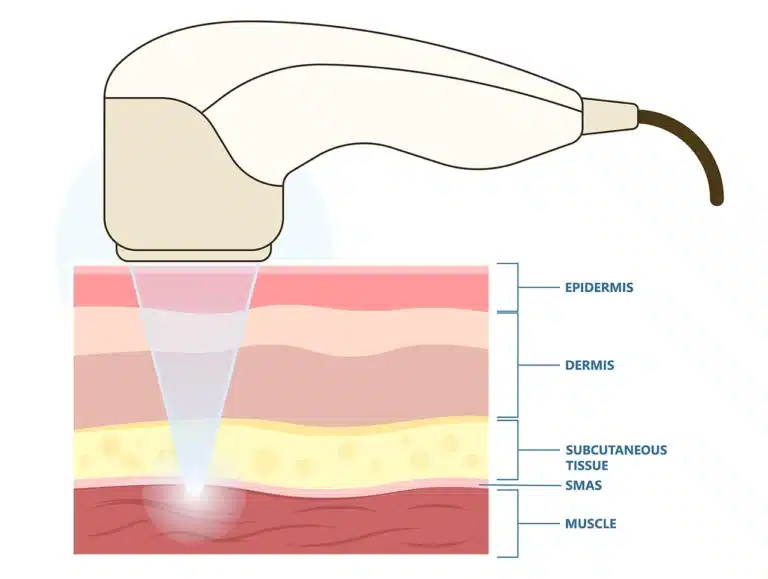
Understanding the Anatomy and Function of SMAS
Anatomy of SMAS
- Location: Situated just below the subcutaneous fat and above the deeper facial muscles.
- Structure: Composed of collagen and elastic fibers, interwoven with facial muscles, providing support and contour to the face.
Functions of SMAS
- Facial Expression: Integral to the movement of facial muscles, allowing a wide range of expressions.
- Support: Provides structural support to the skin, helping to maintain youthful contours.
- Aging: With age, the SMAS layer loses elasticity and strength, leading to sagging and drooping of facial features.
SMAS in Cosmetic Surgery
The significance of the SMAS layer in facial aesthetics cannot be overstated. It has transformed facelift techniques, providing more natural and lasting results by addressing the deeper structural layers of the face.
SMAS Facelift
A SMAS facelift, also known as a deep plane facelift, involves manipulating the SMAS layer to achieve facial rejuvenation. Here’s how it works:
- Procedure: The surgeon makes incisions around the ears and possibly along the hairline. The SMAS layer is lifted, tightened, and repositioned. Excess skin may also be removed.
- Benefits: By targeting the deeper layers of the face, this technique provides more natural results, enhancing facial contours, reducing sagging, and producing longer-lasting effects.
- Recovery: Post-surgery, patients can expect swelling and bruising for a few weeks. Full recovery may take several months, but the results are well worth the wait.
Non-Surgical Alternatives
For those seeking less invasive options, there are non-surgical treatments that target the SMAS layer:
- Ultherapy: Utilizes ultrasound energy to stimulate collagen production in the SMAS layer, tightening and lifting the skin over time.
- Radiofrequency Treatments: Employs radiofrequency energy to heat the SMAS layer, promoting collagen production and skin tightening.
Choosing the Right Approach
Selecting the appropriate approach for targeting the SMAS layer depends on individual goals, skin condition, and personal preferences. Consulting with a qualified cosmetic surgeon or dermatologist is essential to determine the best treatment plan.
Conclusion
The Superficial Musculoaponeurotic System (SMAS) is a cornerstone of modern facial rejuvenation techniques. By understanding its anatomy and functions, cosmetic surgeons can achieve more natural and lasting results, whether through surgical facelifts or non-surgical alternatives. As the field of aesthetic medicine continues to evolve, the focus on SMAS ensures that patients can enjoy youthful, refreshed appearances with innovative and effective treatments.
Whether you are considering a facelift or exploring non-surgical options, understanding the role of SMAS can help you make an informed decision and achieve the best possible outcomes for facial rejuvenation.
Frequently asked questions
What is SMAS?
Why is SMAS important for facial lifting?
Can HIFU or Ultherapy target the SMAS layer?
How is a SMAS facelift different from a regular facelift?
Should I choose HIFU, RF, or a surgical facelift for sagging skin?
References
- 1.Whitney ZB, Jain M. Anatomy, Skin, Superficial Musculoaponeurotic System (SMAS). StatPearls, NCBI Bookshelf. · ncbi.nlm.nih.gov
- 2.Khan U, et al. A Systematic Review of the Clinical Efficacy of Micro-Focused Ultrasound Treatment for Skin Rejuvenation and Tightening. Cureus. 2021. · pmc.ncbi.nlm.nih.gov
- 3.Contini M, et al. A Systematic Review of the Efficacy of Microfocused Ultrasound for Facial Skin Tightening. Aesthetic Plastic Surgery. 2023. · pmc.ncbi.nlm.nih.gov
- 4.El-Domyati M, et al. Radiofrequency Facial Rejuvenation: Evidence-Based Effect. Journal of the American Academy of Dermatology. · pmc.ncbi.nlm.nih.gov
- 5.Vayalapra S, et al. SMAS and Deep Plane Facelifts: A Systematic Review and Meta-analysis. PubMed. · pubmed.ncbi.nlm.nih.gov