
On this page
- 01What Is the Skin Barrier?
- 02What Does the Skin Barrier Do?
- –It reduces water loss
- –It limits the entry of irritants
- –It supports the skin microbiome
- –It helps the skin repair itself
- 03What Does “Damaged Skin Barrier” Mean?
- 04Signs of a Weakened Skin Barrier
- 05What Can Weaken the Skin Barrier?
- –Over-cleansing
- –Excessive exfoliation
- –Starting retinoids too quickly
- –Combining multiple acne treatments
- –Hot water and dry environments
- –Sun exposure and friction
- –Underlying skin conditions
- 06How to Repair and Support the Skin Barrier
- –1. Pause products that may be causing irritation
- –2. Simplify your routine
- –3. Choose the right moisturizer
- –Humectants
- –Emollients
- –Occlusives
- –4. Apply moisturizer to damp skin
- –5. Use warm water and limit shower time
- –6. Protect the skin from the sun
- –7. Reintroduce active ingredients gradually
- 07Is In-Clinic Skin Barrier Treatment Necessary?
- 08How Long Does Skin Barrier Recovery Take?
- 09When Should You See a Doctor?
- 10Summary
Have you ever tried a new skincare product only to find that your skin suddenly feels tight, stings when you apply products, becomes red, or no longer holds makeup well? These symptoms may be associated with a weakened or disrupted skin barrier.
The skin barrier does more than keep the skin moisturized. It regulates water loss, limits the entry of irritants and allergens, and helps the skin cope with environmental stress.
When this protective system is disrupted, the skin may become dry, flaky, itchy, red, and sensitive to products that previously caused no problems.
What Is the Skin Barrier?
The skin barrier, also called the epidermal barrier, is the skin’s natural protective system. Its main physical component is found in the outermost layer of the epidermis, known as the stratum corneum.
The stratum corneum contains mature skin cells called corneocytes surrounded by a highly organized lipid matrix. This structure is commonly described using the “bricks and mortar” model:
- Corneocytes are the bricks.
- Intercellular lipids act as the mortar.
- Natural Moisturizing Factors, or NMF, help retain water inside the corneocytes.
The main lipid classes within the stratum corneum include:
- Ceramides
- Cholesterol
- Free fatty acids
These lipids must be present in an appropriate composition and arrangement to regulate water loss and control the movement of substances through the skin.
Learn more: DermNet: Skin Barrier Function
What Does the Skin Barrier Do?
It reduces water loss
The skin naturally loses a small amount of water to the environment. This process is known as transepidermal water loss, or TEWL.
When the barrier is functioning normally, water loss remains balanced. When it is impaired, TEWL may increase, leaving the skin tight, rough, flaky, and less supple.
Oily skin can also become dehydrated or barrier-impaired. Surface oil and water content within the stratum corneum are not the same thing.
It limits the entry of irritants
The skin barrier reduces the penetration of cleansers, chemicals, allergens, pollutants, and some microorganisms.
When the barrier is weakened, products that were previously comfortable may begin to sting, burn, or cause redness because the skin has become more reactive.
It supports the skin microbiome
The skin is home to a community of bacteria, fungi, and other microorganisms known as the skin microbiome.
The skin’s mildly acidic environment, moisture level, and surface lipids help support normal resident microorganisms while limiting the growth of certain pathogens.
It helps the skin repair itself
The stratum corneum has natural repair mechanisms. When water loss increases, the skin can release stored lipids and increase lipid production to help restore the intercellular barrier.
However, repeated exposure to harsh cleansers, excessive exfoliation, or multiple irritating active ingredients may damage the barrier faster than it can repair itself.
What Does “Damaged Skin Barrier” Mean?
“Damaged skin barrier” is a commonly used skincare phrase, but it is not a formal medical diagnosis.
It usually describes a reduction in barrier function caused by disruption of the skin cells, intercellular lipids, or water-regulating processes within the stratum corneum.
The barrier does not completely collapse. Instead, it becomes less effective at retaining water and protecting the skin from external triggers.
Symptoms that resemble barrier damage can also occur with skin conditions such as:
- Atopic dermatitis
- Irritant contact dermatitis
- Allergic contact dermatitis
- Rosacea
- Perioral dermatitis
- Skin infections
Persistent, spreading, or severe symptoms should be medically assessed rather than managed by continually adding new skincare products.
Signs of a Weakened Skin Barrier
Common signs include:
- Tightness after cleansing
- Dry, rough, or flaky skin
- Stinging when skincare is applied
- Increased redness
- Itching or irritation
- Makeup separating or clinging to dry areas
- Products that previously felt comfortable now causing discomfort
- Oily skin that still feels dehydrated
- Small cracks or painful areas
These signs are not specific to barrier dysfunction, so the duration, triggers, and presence of a rash should also be considered.
What Can Weaken the Skin Barrier?
Over-cleansing
Cleansers remove excess oil, sunscreen, makeup, and debris. Washing too often or using an overly harsh cleanser can also remove natural lipids and moisturizing substances from the skin.
If the skin feels tight, dry, or uncomfortable after cleansing, the formula or frequency may be too aggressive.
Excessive exfoliation
AHA, BHA, PHA, physical scrubs, and cleansing devices can be useful when used appropriately. Applying several exfoliating products together or using them too frequently can disrupt the stratum corneum.
The problem is often not one ingredient alone, but the combined strength, frequency, and number of active products used.
Starting retinoids too quickly
Retinol, retinal, and prescription retinoids may cause dryness, peeling, and irritation when first introduced.
Begin with a small amount and low frequency, then gradually increase use according to how the skin responds.
Combining multiple acne treatments
Benzoyl peroxide, salicylic acid, and retinoids can all cause dryness or irritation, particularly when introduced at the same time.
Do not stop prescribed medication without medical advice. Speak with your clinician if redness, burning, or peeling becomes difficult to tolerate.
Hot water and dry environments
Hot water, low humidity, strong winds, and prolonged exposure to air conditioning can increase water evaporation from the skin.
People who travel frequently or spend long hours in air-conditioned environments may need a richer or more protective moisturizer.
Sun exposure and friction
Ultraviolet exposure can contribute to inflammation and oxidative stress. Repeated rubbing from towels, cotton pads, shaving, or face coverings can also irritate the skin through friction.
Underlying skin conditions
Atopic dermatitis, psoriasis, rosacea, and contact dermatitis can all involve abnormalities in barrier function.
In these cases, treating inflammation or the underlying condition may be necessary in addition to using barrier-supportive skincare.
How to Repair and Support the Skin Barrier
1. Pause products that may be causing irritation
When symptoms begin after adding a new product, temporarily stop the most likely trigger rather than adding several new serums or creams.
Products that may need to be paused include:
- Exfoliating acids
- Physical scrubs
- Retinoids
- Drying acne treatments
- Low-pH vitamin C products that sting
- Fragranced products that cause irritation
Consult your clinician before stopping prescribed medication.
2. Simplify your routine
A simple routine is often more appropriate while the skin is irritated.
Morning
- Rinse with water or use a gentle cleanser.
- Apply moisturizer.
- Apply sunscreen.
Evening
- Remove makeup and sunscreen.
- Cleanse gently.
- Apply moisturizer.
Toners, essences, and multiple active serums are not essential while the skin is recovering.
3. Choose the right moisturizer
Moisturizers generally contain three functional groups of ingredients.
Humectants
Humectants attract and retain water in the stratum corneum. Examples include:
- Glycerin
- Hyaluronic acid
- Panthenol
- Urea at an appropriate concentration
Emollients
Emollients soften and smooth the skin by filling spaces between surface cells. Examples include:
- Ceramides
- Squalane
- Fatty acids
- Triglycerides
Occlusives
Occlusives form a protective layer that reduces water evaporation. Examples include:
- Petrolatum
- Dimethicone
- Mineral oil
Very dry skin may benefit from a cream or ointment. Oily or acne-prone skin may prefer a lightweight lotion or gel-cream labeled non-comedogenic.
There is no single moisturizer that suits every person. Consider the severity of dryness, the area being treated, the climate, and how the product feels on your skin.
Learn more: DermNet: Emollients and Moisturisers
4. Apply moisturizer to damp skin
After washing, gently pat the skin and apply moisturizer while it is still slightly damp. This helps trap water in the stratum corneum and limit evaporation.
Avoid rubbing the skin aggressively with a towel.
5. Use warm water and limit shower time
Use lukewarm rather than hot water. If the skin is very dry, try limiting baths and showers to approximately 5–10 minutes.
Long, hot showers can remove surface lipids and worsen tightness and dryness.
6. Protect the skin from the sun
Use a broad-spectrum sunscreen with SPF 30 or higher. Choose a formula that does not sting or worsen irritation.
When the skin is sensitive, introduce new sunscreen, cleanser, and moisturizer products one at a time rather than replacing the entire routine at once.
7. Reintroduce active ingredients gradually
Once the skin no longer stings, flakes, or appears inflamed, active ingredients can be reintroduced individually.
Start once or twice a week and monitor the skin before increasing frequency. Avoid restarting exfoliating acids, retinoids, and acne treatments simultaneously.
Is In-Clinic Skin Barrier Treatment Necessary?
Most people should begin by simplifying their skincare routine and avoiding known triggers.
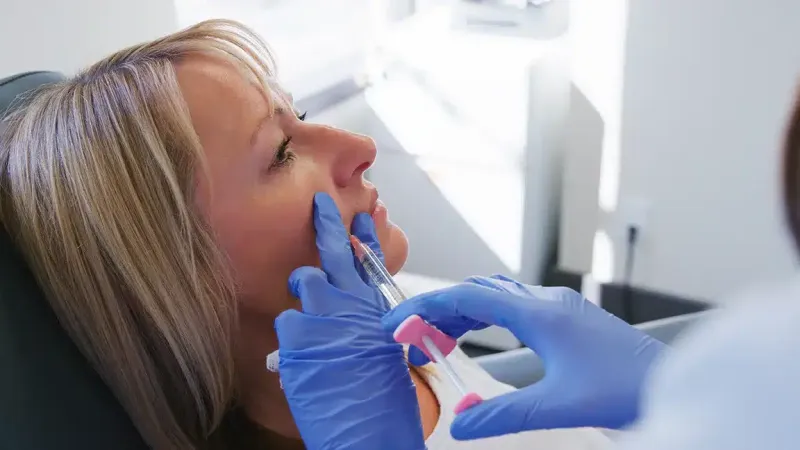
In-clinic treatments may be considered after the skin is stable if concerns such as persistent dehydration, uneven texture, or reduced skin quality remain. The treatment must be selected according to the underlying skin condition.
Read more about Polynucleotides and skin barrier support or explore the clinic’s polynucleotide skin rejuvenation program.
Procedures should generally be postponed if the treatment area has active dermatitis, open wounds, infection, or an unexplained allergic reaction.
How Long Does Skin Barrier Recovery Take?
There is no universal recovery time.
Mild irritation caused by a new product may gradually improve after the trigger is stopped and the routine is simplified. Recovery may take longer when inflammation, an underlying skin disorder, or continued exposure to triggers is present.
Recovery depends on factors such as:
- The cause and severity of irritation
- Baseline skin condition
- Current skincare products
- Climate and humidity
- Underlying dermatologic conditions
- Consistency of aftercare
The skin should not be expected to recover within the same three- or seven-day period for everyone.
When Should You See a Doctor?
Seek medical advice if you notice:
- Severe burning, redness, or itching
- A spreading rash
- Facial swelling
- Blisters, open wounds, or oozing
- Yellow crusting or signs of infection
- Swelling around the eyes or lips
- Painful cracks or bleeding
- Symptoms that continue after stopping a suspected product
- A rash that repeatedly returns to the same area
Avoid using a topical steroid on the face without medical advice. Steroids can mask symptoms or worsen certain skin conditions when used incorrectly.
Summary
The skin barrier is the protective system of the outer epidermis. It regulates water loss and limits the entry of irritants, allergens, and environmental substances.
When barrier function is disrupted, the skin may become dry, flaky, red, itchy, and more sensitive to skincare products. Common causes include over-cleansing, excessive exfoliation, combining multiple active ingredients, and prolonged exposure to dry environments.
The most important steps are to remove likely irritants, simplify the skincare routine, use a gentle cleanser, apply an appropriate moisturizer to damp skin, and protect the skin from ultraviolet exposure.
Persistent rashes, swelling, open wounds, or worsening symptoms should be evaluated by a medical professional.
Frequently asked questions
What should I use for a damaged skin barrier?
Can ceramides repair the skin barrier?
Can oily skin have a damaged barrier?
Can I use retinol when my skin barrier is irritated?
Do sheet masks repair the skin barrier?
References
- 1.DermNet: Skin Barrier Function · dermnetnz.org
- 2.DermNet: Emollients and Moisturisers · dermnetnz.org
- 3.American Academy of Dermatology: How to Pick the Right Moisturizer · aad.org
- 4.American Academy of Dermatology: Dermatologists’ Tips for Relieving Dry Skin · aad.org
- 5.Bouwstra JA, et al. The Skin Barrier: An Extraordinary Interface with an Exceptional Lipid Organization · doi.org