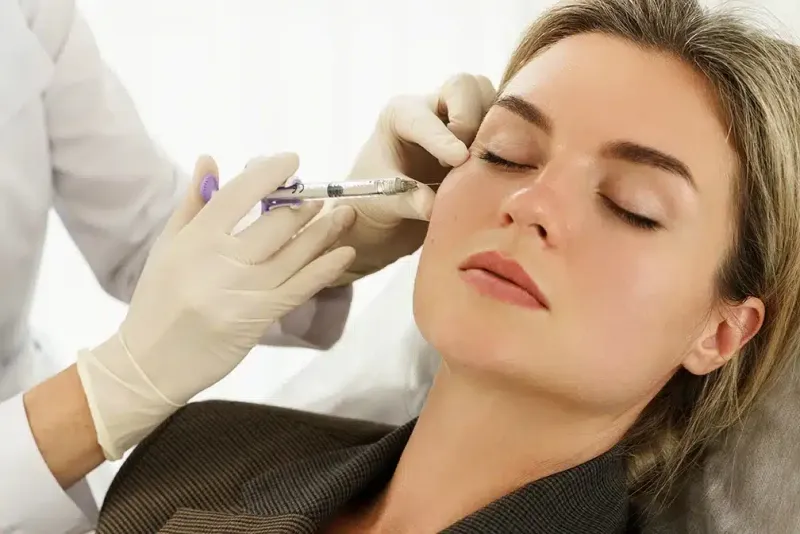

Unwanted hair can be frustrating, especially when shaving or waxing causes irritation, ingrown hairs, or rough-looking skin. A Hair Removal Laser provides a longer-term solution by targeting hair follicles and gradually reducing the amount, thickness, and speed of hair growth.
Triple Wavelength Diode Laser technology combines three wavelengths—755 nm, 808 nm, and 1064 nm—to target hair follicles at different depths. This allows the treatment settings to be adjusted according to skin tone, hair thickness, treatment area, and individual sensitivity.
What Is a Hair Removal Laser?
A Hair Removal Laser uses controlled light energy to target melanin, the natural pigment found inside the hair.
When laser energy is absorbed by the hair, it is converted into heat and transferred toward the hair follicle. This controlled heat affects the structures responsible for hair growth. Over several sessions, treated hairs may grow back more slowly, become finer, and gradually decrease in density.
Because hair grows in different cycles, laser treatment cannot target every hair follicle in a single session. Multiple treatments are therefore recommended for more noticeable and longer-lasting results.
Laser treatment is more accurately described as long-term hair reduction rather than guaranteed permanent hair removal.
What Is a Triple Wavelength Hair Removal Laser?
A Triple Wavelength Hair Removal Laser combines three wavelengths within one device:
- 755 nm wavelength
- 808 nm wavelength
- 1064 nm wavelength
Each wavelength reaches a different depth and interacts with melanin differently. Combining all three wavelengths allows the treatment to cover a wider range of hair characteristics and skin tones.
However, treatment safety and effectiveness still depend on suitable energy settings, proper cooling, and an individual assessment before treatment.
How Do the Three Wavelengths Work?
755 nm Wavelength
The 755 nm wavelength is commonly associated with Alexandrite laser technology.
It has a relatively high affinity for melanin and may be useful for targeting finer hair or shallower hair follicles, particularly in people with lighter skin tones.
Because this wavelength can also be absorbed by melanin in the skin, the energy level must be selected carefully for people with tanned, medium, or darker skin.
808 nm Wavelength
The 808 nm wavelength is widely used in diode laser hair removal.
It provides a balance between melanin absorption and penetration depth, making it suitable for many common hair types and treatment areas.
This wavelength can be adjusted for hair ranging from moderately fine to thick and may be used across different skin tones when the treatment parameters are selected appropriately.
1064 nm Wavelength
The 1064 nm wavelength penetrates more deeply into the skin and is absorbed less strongly by melanin on the skin surface.
It may be helpful for targeting thicker hair with deeper follicles, such as hair around the underarms, bikini area, beard, chest, or back.
The 1064 nm wavelength may also provide greater flexibility when treating medium to darker skin tones. However, appropriate energy settings and effective cooling remain important for reducing the risk of irritation, burns, or pigmentation changes.
Benefits of Triple Wavelength Hair Removal Laser
Targets Hair Follicles at Different Depths
Hair follicles are not all located at the same depth. Combining 755, 808, and 1064 nm wavelengths allows laser energy to reach both shallower and deeper hair follicles.
Suitable for Different Hair Characteristics
Triple wavelength technology can be adjusted for different hair thicknesses and treatment areas.
It may be suitable for areas containing a mixture of finer and thicker hairs. However, laser treatment is generally less effective for white, grey, very light blonde, or red hair because these hair colours contain less melanin.
Can Be Adjusted for Different Skin Tones
The combination of multiple wavelengths provides greater flexibility when selecting treatment settings for different skin tones.
Patients with tanned or darker skin still require careful assessment, as unsuitable energy settings may increase the risk of burns or post-inflammatory pigmentation.
Helps Reduce Ingrown Hairs
Ingrown hairs commonly occur after shaving, plucking, or waxing, especially in areas with thick or curly hair.
By reducing hair density and thickness, a Hair Removal Laser may help decrease recurrent ingrown hairs, follicular irritation, and rough bumps around the hair follicles.
Helps Improve the Appearance of Rough Skin
Repeated shaving and waxing may cause irritation, small cuts, inflammation, and uneven-looking skin.
As treated hairs become finer and grow more slowly, the skin may feel smoother and require less frequent shaving.
Cooling Helps Improve Comfort
Many diode laser systems include a contact cooling tip that helps lower the temperature of the skin surface during treatment.
Cooling can reduce the sensation of heat or stinging while helping protect the skin. The level of discomfort may still vary depending on the treatment area, hair thickness, energy setting, and individual sensitivity.
Who Is Hair Removal Laser Suitable For?
Hair Removal Laser treatment may be suitable for people who:
- Have thick, coarse, or fast-growing hair
- Have a combination of fine and thick hairs
- Experience irritation after shaving or waxing
- Frequently develop ingrown hairs
- Have visible bumps or rough skin after hair removal
- Want to reduce the frequency of shaving
- Want longer-term hair reduction
- Have medium or darker skin and require adjustable treatment settings
- Want to treat unwanted hair on the face or body
Patients with white, grey, very light blonde, or red hair may respond less effectively because laser energy relies on melanin to identify and heat the hair follicle.
Which Areas Can Be Treated?
A Hair Removal Laser can be used on many areas of the face and body, including:
- Underarms
- Upper lip
- Chin
- Jawline
- Beard area
- Arms
- Legs
- Chest
- Abdomen
- Back
- Bikini line
- Brazilian area
The treatment settings and number of sessions may differ depending on the location, skin sensitivity, hair thickness, and hair growth cycle.
Laser treatment should not be performed directly over the eyelids or too close to the eyes without appropriate eye protection.
How Does Hair Removal Laser Treatment Work?
1. Skin and Hair Assessment
Before treatment, the provider will assess the patient’s skin tone, hair colour, hair thickness, treatment area, and medical history.
The laser settings should be selected individually rather than using the same energy level for every patient.
A test spot may be recommended for people with sensitive skin, darker skin, recent tanning, or a history of pigmentation problems.
2. Preparing the Treatment Area
The area is cleaned before treatment. The hair is usually shaved close to the skin so the laser can reach the follicle without excessive energy being absorbed by hair above the skin.
Waxing, plucking, and threading should be avoided before treatment because these methods remove the hair root that the laser needs to target.
3. Laser Treatment
Depending on the device, a cooling gel may be applied before the laser handpiece is moved across the skin.
During treatment, patients may feel warmth, mild stinging, or a sensation similar to a light elastic-band snap.
The cooling system helps reduce discomfort and protect the skin surface.
4. Treatment Time
Treatment time depends on the size of the area.
Small areas, such as the upper lip or underarms, may take approximately 10–15 minutes. Larger areas, such as the legs, back, or chest, may take approximately 30–45 minutes or longer.
5. Post-Treatment Care
After treatment, a soothing gel or moisturiser may be applied.
Temporary redness, warmth, or small bumps around the hair follicles may occur. These reactions usually improve within several hours to one or two days.
How Many Hair Removal Laser Sessions Are Needed?
Most patients require a course of approximately 5–8 sessions.
The actual number of treatments depends on:
- Treatment area
- Hair thickness
- Hair colour
- Skin tone
- Hair growth cycle
- Hormonal factors
- Energy settings
- Individual response
Sessions are commonly scheduled every 4–6 weeks, although the interval may vary between facial and body areas.
Facial hair may require shorter treatment intervals because it often grows more quickly. Areas such as the legs, chest, and back may require longer intervals as treatment progresses.
Some patients may also require occasional maintenance sessions in the future.
Why Are Multiple Sessions Necessary?
Hair grows in several stages:
- Anagen, or active growth phase
- Catagen, or transitional phase
- Telogen, or resting phase
Laser treatment is most effective during the anagen phase because the hair remains connected to the structures inside the follicle responsible for hair growth.
Not every hair is in the active growth phase at the same time. Multiple sessions are therefore necessary to target different groups of hairs as they enter the anagen phase.
When Will the Treated Hair Fall Out?
The hair does not always disappear immediately after treatment.
Treated hairs usually begin to shed gradually within approximately one to three weeks. During this period, the hair may appear to be growing, but it may actually be moving outward from the follicle.
Patients should avoid pulling or plucking the treated hair. Gentle cleansing and normal skin care are usually sufficient while waiting for the hair to shed naturally.
Possible Side Effects
Common temporary side effects may include:
- Redness
- Warmth
- Mild stinging
- Sensitivity
- Small bumps around the hair follicles
- Mild swelling
- Temporary dryness or itching
These symptoms usually improve within a few hours to one or two days.
Less common complications may include:
- Burns
- Blisters
- Prolonged irritation
- Temporary darkening of the skin
- Temporary lightening of the skin
The risk of complications may increase when unsuitable energy settings are used, the skin is recently tanned, or post-treatment instructions are not followed.
How to Prepare Before Hair Removal Laser Treatment
Before treatment, patients are generally advised to:
- Avoid waxing, plucking, or threading for approximately 3–4 weeks
- Shave the treatment area according to the clinic’s instructions
- Avoid tanning and excessive sun exposure
- Inform the provider about current medications
- Inform the provider about skin conditions or previous laser reactions
- Avoid applying perfume, deodorant, or irritating products to the area on the treatment day
- Inform the clinic if there is an active rash, wound, infection, or herpes outbreak
- Avoid strong exfoliating ingredients on sensitive treatment areas when advised
Patients taking medicines that increase sensitivity to light should inform the clinic before treatment.
How to Care for the Skin After Treatment
After Hair Removal Laser treatment:
- Avoid scratching or rubbing the treated area
- Apply a gentle moisturiser if the skin feels dry
- Use sunscreen on exposed areas
- Avoid strong sunlight and tanning
- Avoid hot showers, saunas, and steam rooms for approximately 24–48 hours
- Avoid intense exercise if the treated area remains hot or irritated
- Avoid scrubs, retinoids, acids, and strongly fragranced products until the skin has settled
- Do not wax, pluck, or thread the treated hair between sessions
- Shaving can usually be resumed once the skin is no longer irritated
Aftercare instructions may differ depending on the treatment area and individual skin condition.
Who Should Postpone Hair Removal Laser Treatment?
Treatment may need to be postponed or assessed carefully for people who:
- Have an active skin infection
- Have an open wound in the treatment area
- Have an active herpes outbreak
- Have recent sunburn or significant tanning
- Are using medicines that increase sensitivity to light
- Have a history of abnormal scarring
- Have suspicious skin lesions in the treatment area
- Are pregnant
- Have recently undergone another treatment that irritated the same area
Although cosmetic laser treatment has not been clearly linked to pregnancy complications, elective laser procedures are generally postponed because safety data during pregnancy remain limited.
Summary
A Hair Removal Laser uses controlled energy to target melanin inside the hair and gradually reduce the ability of the follicle to produce thick, visible hair.
Triple Wavelength Diode Laser technology combines 755, 808, and 1064 nm wavelengths to target hair follicles at different depths. This allows the treatment to be adjusted for different hair characteristics, skin tones, and treatment areas.
Several sessions are usually required because hair grows in different cycles. Although results vary between individuals, laser treatment can help reduce hair density, slow hair growth, improve skin smoothness, and decrease irritation caused by frequent shaving or waxing.
Proper skin assessment, suitable laser settings, effective cooling, and correct aftercare are important for achieving good results while reducing the risk of side effects.